Blog
Top Healthy Indian & Pakistani Foods for Balanced Eating

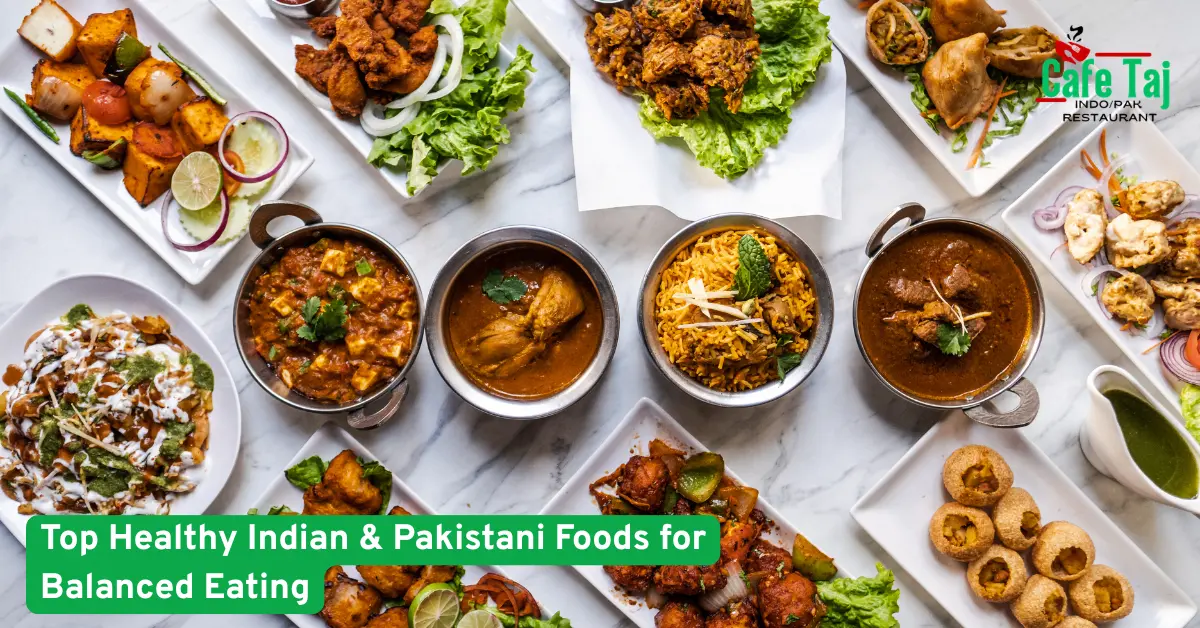
Indian and Pakistani cuisines are known for their rich flavors, aromatic spices, and comforting dishes. While some meals are indulgent, many traditional foods are naturally nutritious and perfect for balanced eating. With the right choices and portion control, Indo-Pak cuisine can support weight management, heart health, digestion, and overall wellness.
If you’re looking to enjoy flavorful meals without compromising yor health goals, here’s a complete guide to the top healthy Indian and Pakistani foods you should include in your diet.
1. Lentil Dishes (Daal)
Daal is a staple in both Indian and Pakistani households. Made from lentils such as moong, masoor, or toor, it is packed with:
-
Plant-based protein
-
Dietary fiber
-
Iron
-
Folate
-
Complex carbohydrates
Lentils help regulate blood sugar levels, improve digestion, and keep you full for longer periods. They are especially beneficial for vegetarians looking for protein-rich meals.
Healthy Tip: Choose lightly tempered (tadka) versions with minimal oil and pair with brown rice or whole wheat roti for a balanced meal.
2. Grilled & Tandoori Meats
Tandoori cooking is one of the healthiest preparation methods in Indo-Pak cuisine. Meats are marinated in yogurt and spices, then grilled in a clay oven. Popular options include:
-
Tandoori chicken
-
Chicken tikka
-
Seekh kebab
-
Grilled fish
These dishes are high in protein and lower in fat compared to creamy or fried curries.
Why it’s healthy:
-
Grilling reduces added oils
-
Yogurt marinade adds probiotics
-
Spices like turmeric and cumin have anti-inflammatory benefits
Healthy Tip: Avoid butter-heavy sauces and enjoy grilled meats with salad and mint chutney.
3. Vegetable Sabzi (Dry Vegetable Dishes)
Vegetable-based dishes, known as sabzi, are essential for balanced eating. Popular healthy choices include:
-
Bhindi (okra)
-
Aloo gobi (potato & cauliflower)
-
Baingan bharta (roasted eggplant)
-
Mixed vegetable curry
These dishes are rich in fiber, antioxidants, vitamins, and minerals that support digestion and immunity.
Healthy Tip: Choose stir-fried or lightly sautéed versions instead of deep-fried preparations.
4. Chickpea Dishes (Chana)
Chickpeas are incredibly nutritious and commonly used in both cuisines. They are rich in:
-
Protein
-
Fiber
-
Magnesium
-
Iron
Chana masala and black chana curry are filling and help stabilize blood sugar levels. A lighter option is chana chaat — a chickpea salad mixed with onions, tomatoes, lemon juice, and spices.
Chickpeas support heart health and are excellent for vegetarians seeking plant-based protein sources.
5. Yogurt-Based Dishes (Raita & Lassi)
Yogurt plays a major role in Indian and Pakistani meals. It offers:
-
Probiotics for gut health
-
Protein and calcium
-
Cooling properties for digestion
Raita, made with yogurt, cucumber, and mild spices, complements spicy meals and improves digestion.
Healthy Tip: Choose salted lassi instead of sweet lassi to avoid excess sugar.
6. Brown Rice & Whole Wheat Roti
Balanced eating does not mean eliminating carbohydrates — it means choosing the right ones.
-
Brown rice provides fiber and sustained energy.
-
Whole wheat roti (chapati) contains complex carbohydrates that digest slowly and keep you full longer.
These are healthier alternatives to refined white rice and naan made with white flour.
7. Spinach-Based Dishes (Saag & Palak)
Spinach dishes such as palak paneer and saag are packed with nutrients, including:
-
Iron
-
Vitamin A
-
Vitamin K
-
Antioxidants
For a lower-fat option, choose palak chicken instead of paneer-based dishes if you’re watching calorie intake.
8. Healthy Indo-Pak Breakfast Options
A balanced day begins with a healthy breakfast. Nutritious options include:
-
Vegetable upma
-
Indian-style oats porridge
-
Boiled eggs with spices
-
Whole wheat paratha (with minimal oil) served with yogurt
Try to limit deep-fried options like puri or heavy stuffed parathas on a regular basis.
How to Eat Indian & Pakistani Food in a Balanced Way
Healthy eating is about mindful choices and portion control. Follow these simple guidelines:
-
Choose grilled over fried foods
-
Pick tomato-based curries instead of cream-based sauces
-
Include salad or vegetables in every meal
-
Limit naan, fried appetizers, and sugary desserts
-
Stay hydrated
When planned thoughtfully, Indo-Pak cuisine can provide a balanced mix of protein, fiber, healthy fats, and essential nutrients.
FAQs: Healthy Indian & Pakistani Foods
1. Is Indian food healthy for weight loss?
Yes, it can be. Lentils, grilled meats, vegetables, and whole grains are excellent for weight loss. Avoid fried snacks and heavy cream-based curries.
2. What is the healthiest Indian dish?
Daal, tandoori chicken, chana masala, and vegetable sabzi are among the healthiest options due to their high protein and fiber content.
3. Is Pakistani food high in calories?
Some traditional dishes can be calorie-dense, especially fried or cream-based curries. However, grilled meats, lentils, and vegetable dishes are healthy choices.
4. Are Indian spices good for health?
Yes. Turmeric, ginger, garlic, cumin, and coriander have anti-inflammatory and digestive benefits.
5. What should I order at a restaurant for a healthy meal?
Choose grilled chicken tikka, daal, vegetable sabzi, whole wheat roti, and raita. Avoid fried appetizers and creamy sauces.
6. Is naan unhealthy?
Traditional naan is made from refined flour and can be high in calories. Whole wheat roti is usually a healthier alternative.
7. Can vegetarians eat healthy in Indo-Pak cuisine?
Absolutely. Lentils, chickpeas, spinach dishes, and mixed vegetables provide balanced nutrition when combined properly.
Final Thoughts
Indian and Pakistani cuisines offer a wide variety of nutrient-rich and balanced meal options. By choosing grilled proteins, fiber-rich lentils, whole grains, and plenty of vegetables, you can enjoy traditional dishes while supporting your health goals.
Healthy eating does not mean sacrificing flavor — and Indo-Pak cuisine beautifully proves that you can have both.